Therapist listings come from BetterHelp. If you use our links to sign up, we will earn a commission at no extra cost to you.

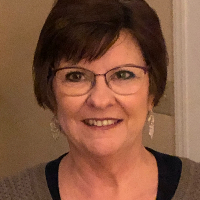
Debbie Esque

20 years in practiceNorth CarolinaOnline sessions

Debbie Esque, LCMHC

Licensed counselor - Depression and Anxiety

  • Cognitive Behavioral Therapy
  • 20 years experience
  • Works with mood disorders

About Debbie

Debbie Esque is a Licensed Clinical Mental Health Counselor (LCMHC) practicing in North Carolina with 20 years of experience. She works with people facing stress, anxiety, bipolar conditions, depression, ADHD, grief, trauma and related concerns. Her practice also addresses relationship and parenting stresses, career strain, and problems with self-esteem and anger.

Debbie begins by listening to what a person wants to change. She focuses on clear goals and straightforward feedback. Sessions combine direct discussion with structured techniques to identify unhelpful thinking and build different habits.

Her main clinical approach is Cognitive Behavioral Therapy (CBT). In practice that means looking at how thoughts, feelings, and actions connect and trying small behavior changes to reduce distress. She also blends elements from other approaches when those steps seem useful for a client’s goals.

Debbie aims to be measured and practical in sessions - kind and attentive, but also direct when a firmer approach will help someone move forward. She draws on decades of experience and formal training to guide interventions and suggestions.

People who reach out typically want clear, usable tools and regular feedback. Debbie works to identify realistic steps clients can try between sessions. If you want a counselor who emphasizes active techniques and concrete progress, she may be a good fit. Please confirm current session options before scheduling.

Written from the information on this therapist's BetterHelp profile.

Approaches used in online sessions and practical benefits

Debbie uses Cognitive Behavioral Therapy (CBT) as a central approach. CBT looks at how thoughts and behaviors affect mood and teaches practical steps to change unhelpful routines. It is commonly used for worry, low mood, and patterns that keep problems going.

She also draws on other integrative techniques when they fit a person’s goals. These additions are used to support the core CBT work and to address behaviors, coping skills, or relationship patterns that come up in sessions.

Choosing the right approach is a collaborative process. She will discuss goals and preferences and help decide which methods to try first. If a technique does not suit a client, adjustments are made together so the plan stays useful and relevant.

Confirm the current session formats before booking, as the biography does not list specific online delivery methods. Online sessions can make therapy easier to fit into daily life by removing travel time, allowing shorter check-ins between appointments, or letting someone choose not to use video when bandwidth or comfort are concerns. Licensed professionals can use these options to help people work on mood, stress, and behavior in ways that align with real-world schedules and needs.

Frequently asked questions

What issues does she help with?

She works with stress, anxiety, bipolar conditions, depression, ADHD, grief, trauma, relationship and parenting concerns, and related mood problems.

What is her therapeutic approach?

Her primary method is Cognitive Behavioral Therapy (CBT), used alongside other practical techniques to address thoughts, feelings, and behaviors.

How long has she practiced?

She has 20 years of clinical experience working with a wide range of people and concerns.

Where is she licensed and based?

She is a Licensed Clinical Mental Health Counselor (LCMHC) with credentials in New Hampshire and North Carolina and practices in North Carolina.

Which languages are supported?

Sessions are offered in English.

Can people from other countries work with her?

International clients are not currently accepted.

How are sessions charged?

Cost varies by location; sessions use a subscription model that can be canceled at any time.

What do I need to do to start?

Select the See online therapy options button, complete a short matching questionnaire, and schedule a first session.

Debbie Esque

See online therapy options