Therapist listings come from BetterHelp. If you use our links to sign up, we will earn a commission at no extra cost to you.

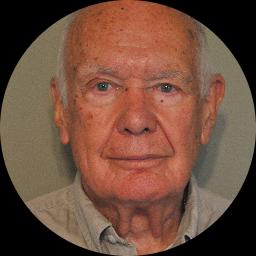
Paul D. Wess

30 years in practiceOhioOnline sessions

Paul D. Wess, LPCC

LPCC in Ohio - Depression and Trauma

  • ACT techniques
  • CBT strategies
  • Client-centered work

About Paul

Paul D. Wess is an Ohio LPCC with 30 years of clinical experience helping people manage low mood, stress, anxiety, trauma, and relationship concerns. He uses straightforward talk and clinical methods to address symptoms people commonly describe as depression, anxiety, and the fallout from trauma. Sessions are practical and focused on what matters most to each person.

He holds master’s degrees in psychology and sociology and completed additional graduate studies at the post-master's level (C.A.G.S.). That background informs a broad view of how life stages and development affect mood and behavior. He draws on decades of work with adults who feel stuck, overwhelmed, or disconnected.

In sessions he pays attention to thoughts, emotions, and bodily reactions, and he invites discussion about values and meaning. He blends client-centered listening with techniques from cognitive behavioral approaches. People can expect clear strategies for coping with panic, mood shifts, intrusive memories, and relationship stress.

Paul also uses elements from acceptance and commitment work and skills from dialectical approaches where emotion regulation and distress tolerance are needed. He often frames interventions in everyday language and checks in about what is useful and what is not. This keeps sessions grounded and practical.

He offers therapy in English and Estonian and practices in Ohio. People interested in beginning can follow the site's matching steps to set up an initial appointment and see what a first session feels like.

Written from the information on this therapist's BetterHelp profile.

Therapeutic approaches and how they work online

Paul uses cognitive behavioral therapy (CBT) to help people notice unhelpful thinking patterns and practice different responses. CBT is often used for depression, anxiety, panic, and mood problems by teaching clear skills for managing thoughts and behavior.

He also draws on acceptance and commitment therapy (ACT), which focuses on noticing internal experiences and reconnecting with valued actions. ACT can be useful when someone feels stuck or struggling with avoidance and motivation.

Finding the right approach is part of the work. Paul treats therapy as a collaborative process and will help identify which methods fit a person’s needs, goals, and day-to-day life. He checks in about what helps and adjusts the plan over time.

Session formats are not specified in the biography, so confirm current options before booking. Online sessions can make it easier to fit therapy into a busy schedule, allow shorter check-ins when needed, and remove travel time. These practical benefits often help people keep a steady routine of care while they work on mood, coping skills, and relationship concerns.

Frequently asked questions

What concerns does he help with?

He works with stress, anxiety, trauma, depression, mood disorders, grief, relationship strains, and related issues listed in his specialties.

What is his style in sessions?

Sessions combine listening with practical techniques from cognitive and acceptance-based approaches to help people manage symptoms and make changes.

How long has he been practicing?

He has worked in clinical settings for 30 years and draws on that experience in therapy.

What are his credentials and where does he practice?

He is an Ohio LPCC and provides services based in Ohio.

Which languages are offered?

Sessions are offered in English and Estonian.

Does he see clients outside the United States?

He is not accepting international clients at this time.

How are sessions priced?

Cost varies by location and sessions use a subscription that can be canceled at any time.

How do I begin a first session?

Use the See online therapy options button, complete a short matching questionnaire, and schedule a first session through the site.

Paul D. Wess

See online therapy options