- CBT methods
- DBT skills
- Trauma-focused care
About Rochester
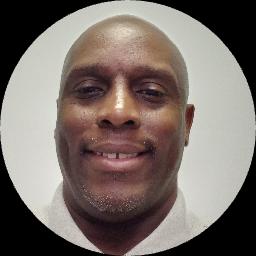
Rochester Damon is an LPC, Licensed Professional Counselor, and an LCMHC, Licensed Clinical Mental Health Counselor, practicing in North Carolina with seven years of experience. He lists stress, anxiety, trauma and abuse, parenting concerns, anger, and depression among the issues he works with. He speaks English and works with individuals who want practical help with these concerns.
He uses approaches such as cognitive behavioral work, dialectical behavior techniques, mindfulness, motivational interviewing, and trauma-focused methods. Sessions focus on clear, manageable strategies to reduce distress and build coping skills. Conversations are straightforward and goal-oriented, with emphasis on small steps that can make daily life easier.
In practice he draws on trauma-focused methods when past events continue to affect day-to-day functioning. He also uses DBT skills to help with emotional regulation and relationship stress. Motivational interviewing is used to support readiness for change when people feel stuck or uncertain about next steps.
Expect a direct, practical style that centers on identifying what is causing problems and trying specific skills to address them. Rochester works with each person to set short-term goals and to check progress along the way. The approach is intended to help people feel less overwhelmed and more able to manage symptoms of low mood and anxiety.
To begin, clients complete a short matching questionnaire and then schedule a first session. Costs vary with location and sessions use a subscription model that can be canceled at any time. If you want to confirm current session options, check the booking flow before scheduling.
Written from the information on this therapist's BetterHelp profile.