Therapist listings come from BetterHelp. If you use our links to sign up, we will earn a commission at no extra cost to you.

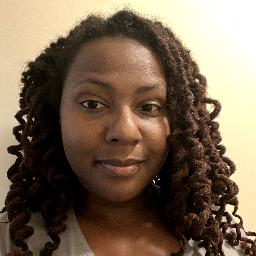
Tenesha Jeffery

5 years in practiceMarylandOnline sessions

Tenesha Jeffery, LCPC

LCPC in Maryland - depression and anxiety

  • Client-centered methods
  • CBT and DBT tools
  • Motivational interviewing

About Tenesha

Tenesha Jeffery is a Licensed Clinical Professional Counselor (LCPC) practicing in Maryland with five years of experience. She helps people dealing with stress, anxiety, relationship concerns, trauma and abuse, motivation, self-esteem, and depression. Tenesha speaks English and works with adults seeking support for mood and behavior concerns.

She focuses on straightforward conversation and practical steps. Sessions include listening, noticing patterns in thoughts and actions, and trying small ways to change habits that get in the way of daily life. She uses techniques drawn from client-centered work, cognitive behavioral methods, dialectical behavior approaches, and motivational interviewing to guide the process.

Tenesha pays attention to how stress and past hurts affect everyday functioning. She helps people sort through relationship friction and communication problems and addresses substance use when it shows up alongside mood or motivation issues. Her approach emphasizes clear goals and step-by-step skills practice.

People who come for help can expect a calm, matter-of-fact style and a focus on what to try between sessions. Meetings aim to be practical and usable in regular life. Progress is tracked by small changes, like improved sleep, fewer moments of overwhelm, or steadier moods.

To begin, prospective clients are asked to complete an online matching questionnaire and schedule a first appointment. Sessions use a subscription that can be canceled at any time and costs vary by location.

Written from the information on this therapist's BetterHelp profile.

How therapeutic approaches translate to online sessions

Client-centered therapy emphasizes listening and supporting the client's own goals. It focuses on understanding a person's viewpoint and working at a comfortable pace to clarify what matters most. This approach helps when someone feels stuck or needs to sort out priorities.

Cognitive Behavioral Therapy (CBT) looks at how thoughts, feelings, and behaviors interact. In practice this means noticing unhelpful thinking patterns and trying small experiments to change them. CBT is often used for low mood, anxiety, and mood-related habits.

Dialectical Behavior Therapy (DBT) offers skills for managing intense emotions and improving how people cope under stress. DBT techniques include grounding, distress-tolerance steps, and ways to improve emotional balance during conflicts or difficult moments.

Finding the right approach is part of the work. The therapist will collaborate with clients to decide which methods fit their goals and preferences. That choice can shift over time as progress and needs change.

The biography does not list specific online session formats, so confirm current session options before booking. Online sessions can make it easier to fit therapy into a busy week, reduce travel time, allow shorter check-ins when needed, and let people join from different locations. Those practical benefits help people keep therapy consistent with everyday life.

Frequently asked questions

What concerns does she help with?

She works with stress, anxiety, relationship issues, trauma and abuse, self-esteem, and depression. Additional focus areas include communication problems, drug and alcohol addiction, mood disorders, and post-traumatic stress.

What is her therapeutic style?

She uses a straightforward, conversational style that combines listening with practical skill-building. Techniques are drawn from client-centered work, CBT, DBT, and motivational interviewing.

How much experience does she have?

She has five years of professional experience working with people on mood, stress, and relationship concerns.

What are her credentials and where is she based?

She holds an LCPC credential in Maryland and practices there.

Which languages are sessions offered in?

Sessions are offered in English only.

Can people outside the US work with her?

She does not accept international clients at this time.

How are sessions paid for?

Sessions use a subscription model that can be canceled at any time and costs vary with location.

How do I start a first session?

Begin by selecting the online therapy options button, complete a short matching questionnaire, and then schedule a first session.

Tenesha Jeffery

See online therapy options