
Dr. Lori Graham
LPCColorado · 31 yrs exp
Licensed Professional Counselor - Depression and Anxiety
Stress, Anxiety · Self esteem · Depression · Coping with life changes · +9 more
Read profileTherapist listings come from BetterHelp. If you use our links to sign up, we will earn a commission at no extra cost to you.
This page groups profiles of therapists who list depression under the listed location Colorado so you can compare clinicians connected to the state. Browse profiles to review focus areas, therapeutic approaches, academic degrees, languages, and listed location details before contacting a therapist.
Colorado · 31 yrs exp
Licensed Professional Counselor - Depression and Anxiety
Stress, Anxiety · Self esteem · Depression · Coping with life changes · +9 more
Read profile
Colorado · 12 yrs exp
Licensed Professional Counselor - Depression and Parenting
Parenting · Self esteem · Career · Depression · +1 more
Read profile
Colorado · 16 yrs exp
Licensed Professional Counselor - Anxiety and Depression
Stress, Anxiety · LGBT · Trauma and abuse · Depression · +1 more
Read profile
Colorado · 7 yrs exp
Licensed Clinical Social Worker - Depression, Relationships
Stress, Anxiety · Relationship · Trauma and abuse · Self esteem · +15 more
Read profile
Colorado · 7 yrs exp
Licensed Professional Counselor - Depression and Anxiety
Stress, Anxiety · Trauma and abuse · Career · Depression · +1 more
Read profile
Colorado · 10 yrs exp
Licensed Professional Counselor - Depression and Anxiety
Relationship · Family · Trauma and abuse · Grief · +3 more
Read profile
Colorado · 7 yrs exp
Licensed Professional Counselor - Depression and Anxiety
Stress, Anxiety · Relationship · Family · Trauma and abuse · +11 more
Read profile
Colorado · 3 yrs exp
Licensed Professional Counselor - Depression and Anxiety
Stress, Anxiety · Relationship · Trauma and abuse · Self esteem · +1 more
Read profile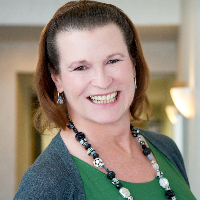
Colorado · 34 yrs exp
Dr. Rhoda Lipscomb - LPC, relationships and sexuality
Stress, Anxiety · LGBT · Relationship · Intimacy-related issues · +8 more
Read profile
Colorado · 10 yrs exp
Licensed Professional Counselor - Stress and Relationships
Stress, Anxiety · Relationship · Parenting · Self esteem · +4 more
Read profile
Colorado · 7 yrs exp
Licensed Professional Counselor - Depression and Anxiety
Stress, Anxiety · Family · Trauma and abuse · Parenting · +13 more
Read profile
Colorado · 10 yrs exp
Licensed Professional Counselor - Depression and Anxiety
Stress, Anxiety · Trauma and abuse · Self esteem · Depression
Read profile
Colorado · 7 yrs exp
Licensed Professional Counselor - Depression and Trauma
Stress, Anxiety · Addictions · Grief · Coping with life changes · +7 more
Read profile
Colorado · 4 yrs exp
Licensed Professional Counselor - Depression and Anxiety
Stress, Anxiety · Grief · Self esteem · Depression · +1 more
Read profile
Colorado · 4 yrs exp
LPC in Colorado - Stress and Depression
Stress, Anxiety · LGBT · Self esteem · Depression · +1 more
Read profile
Colorado · 4 yrs exp
LPC in Colorado - Depression and Trauma
Stress, Anxiety · Addictions · Relationship · Trauma and abuse · +6 more
Read profile
Colorado · 33 yrs exp
Licensed Professional Counselor - Depression and Anxiety
Stress, Anxiety · Grief · Self esteem · Depression · +8 more
Read profile
Colorado · 7 yrs exp
Licensed Professional Counselor - Depression and Anxiety
Stress, Anxiety · Relationship · Family · Depression · +10 more
Read profile
Colorado · 40 yrs exp
Licensed Professional Counselor - Depression, Anxiety
Stress, Anxiety · Trauma and abuse · Self esteem · Depression · +9 more
Read profile
Colorado · 8 yrs exp
Licensed Professional Counselor - Depression and Anxiety
Addictions · Relationship · Family · Parenting · +8 more
Read profile
Colorado · 12 yrs exp
LPC in Colorado - Depression and Anxiety
Stress, Anxiety · Relationship · Trauma and abuse · Self esteem · +13 more
Read profile
Colorado · 3 yrs exp
Licensed Marriage and Family Therapist - Stress and Depression
Stress, Anxiety · Addictions · Relationship · Family · +7 more
Read profile
Colorado · 16 yrs exp
LPC and LMHC - Depression and Trauma
Stress, Anxiety · Trauma and abuse · Parenting · Depression · +1 more
Read profile
Colorado · 4 yrs exp
Licensed Professional Counselor - Addictions and Trauma
Stress, Anxiety · Addictions · Relationship · Trauma and abuse · +1 more
Read profileIf you are experiencing persistent low mood, loss of interest in activities you once enjoyed, unusual tiredness, or a sense of hopelessness, it may affect your work, relationships, and day-to-day functioning. These signs do not by themselves establish a diagnosis, but they are reasons many people look for professional support. If you are thinking about suicide or are in immediate danger, call the 988 Suicide and Crisis Lifeline right away or go to your nearest emergency service. Therapists who appear in this directory list depression among their specialties, but they do not prescribe medication; a primary care physician or psychiatrist can discuss medical options and whether medication may be appropriate for you.
When you begin looking through profiles, pay attention to how each clinician describes common experiences and the issues people bring to therapy. Read the narrative portions of profiles for language that resonates with you. You may find it helpful to note how a clinician frames goals - whether they mention managing symptoms, improving relationships, coping with life stressors, or clarifying values - because that framing can shape your expectations for sessions. Remember that seeking support is a personal step and that it is reasonable to contact multiple clinicians to find someone whose approach matches your needs.
The listed location on a profile indicates the geographic label the clinician has associated with their profile on this site. It is not evidence that the therapist maintains an office at a particular address, that they are within a certain driving distance from you, or that they have an active license in every city or county included in that label. You should check each individual profile for details the clinician provides and reach out directly to confirm whether they have permission to work with you where you live. Licensing and permission to practice can vary by state and by service format, and a profile alone does not guarantee legal eligibility to provide care in a specific jurisdiction.
Profiles include descriptions of focus areas, professional degrees, and other information supplied by clinicians. Academic degrees such as PhD, PsyD, MD, MA, and MSW indicate educational credentials, but a degree by itself does not establish current permission to practice. Professional licenses or registrations are separate credentials that authorize clinical practice in particular settings or locations. When reviewing a profile, look for statements about licensing or contact the clinician to ask directly which state(s) they are licensed or registered to practice in and whether they can legally provide services to you under your state rules.
When you contact a clinician, having concrete questions prepared will help you learn whether their approach fits your needs. You might ask which concerns related to depression they most often address and how they describe their work with people who experience low mood, loss of interest, exhaustion, or difficulty with motivation. Ask which therapeutic approaches they use and frame the question to reflect that a profile may list several options - for example, you can say, "I see you list cognitive-behavioral approaches and EMDR among your approaches; can you describe how you decide which approach to use for someone with depression?" Asking this helps you understand whether the clinician tailors care to individual needs or more commonly follows a particular pathway.
Also ask about their experience with issues that matter to you, such as how depression affects work performance, parenting, or relationships. Inquire about typical goals they set with clients and how progress is measured in their practice. If you have specific life circumstances - chronic health concerns, trauma history, or cultural and language needs - ask how they address those factors in treatment. These conversations can clarify whether the clinician's style and emphasis align with what you are seeking without relying on assumptions from brief profile entries.
If you are considering virtual sessions, discuss logistics and local practice rules before committing to care. Ask whether the clinician provides online sessions and, if so, whether they are permitted by their licensing authority to treat clients in your state. Confirm where the clinician is located and whether they will legally be able to continue working with you if you move. Talk through practical matters such as the technology they use, expectations for session length and scheduling, and how to handle emergencies or crises that might arise between sessions. It is important to agree on how you will reach each other if a session is interrupted and what steps the clinician recommends for urgent situations.
Be prepared to describe the setting from which you will join sessions. You should aim to be in a quiet space where you can speak openly and without interruptions. Ask the clinician about their privacy practices and how they handle records and documentation. Before beginning online care, clarify any boundaries around communication outside session times, and confirm that you both understand the limits of remote work in terms of immediate safety and crisis response. These practical conversations reduce surprises and help you enter treatment with clearer expectations.
When you compare profiles, attend to the specific language clinicians use about their focus areas and therapeutic style. Some profiles emphasize mood regulation, behavioral activation, or coping strategies for low energy, while others may emphasize meaning-making, interpersonal patterns, or trauma processing. If a particular approach is important to you, look for profiles that explicitly mention it and then ask the clinician how they apply that approach to depression. You will also encounter profiles that list a range of approaches; in those cases, your conversation can reveal which tools are most commonly used and how flexible the clinician is in adapting methods.
Language options and cultural considerations are also practical comparison points. If you prefer to work in a language other than English or want a clinician who describes experience working with particular cultural or identity issues, search profiles for those indicators and confirm them in a direct conversation. Academic degrees are helpful to note, but remember that degree titles such as PhD, PsyD, MD, MA, and MSW describe training background rather than current licensing. Always ask which state license or registration the clinician holds and verify that they have permission to practice with you where you live. Finally, consider the tone of a profile and whether it feels compatible with your expectations - some clinicians are more directive, while others emphasize collaborative exploration. Use these observations to guide your outreach and to prepare focused questions that will help you decide which profiles merit a first conversation.
Choosing a clinician is a personal process that combines objective checks about licensing and legal permission with subjective impressions about fit. Use the profiles listed here as a starting point to compare focus areas, approaches, degrees, languages, and the listed location. Then contact clinicians directly to confirm licensure, permission to work with you in your state, and to ask the practical and clinical questions that matter most to you.
Addictions
1777 therapists
ADHD
1450 therapists
Anger
2267 therapists
Bipolar
1452 therapists
Control Issues
1252 therapists
Grief
2421 therapists
Guilt and Shame
2366 therapists
Impulsivity
1121 therapists
Intimacy Issues
1340 therapists
Isolation / Loneliness
2065 therapists
Mood Disorders
1798 therapists
Panic Disorder and Panic Attacks
1583 therapists
Post-Traumatic Stress
2075 therapists
Self Esteem
3375 therapists
Self-Harm
866 therapists
Social Anxiety and Phobia
2136 therapists
Stress & Anxiety
4211 therapists
Trauma and Abuse
3148 therapists
Abandonment
1203 therapists
Attachment Issues
1399 therapists
Body Image
901 therapists
Career
1440 therapists
Caregiver Issues and Stress
1240 therapists
Codependency
1127 therapists
Communication Problems
2713 therapists
Compassion Fatigue
1249 therapists
Coping with Life Changes
2092 therapists
Divorce
1368 therapists
Family
2501 therapists
Forgiveness
2054 therapists
Life Purpose
2229 therapists
Parenting
1945 therapists
Relationship
3123 therapists
Self-Love
2433 therapists
Workplace Issues
1207 therapists